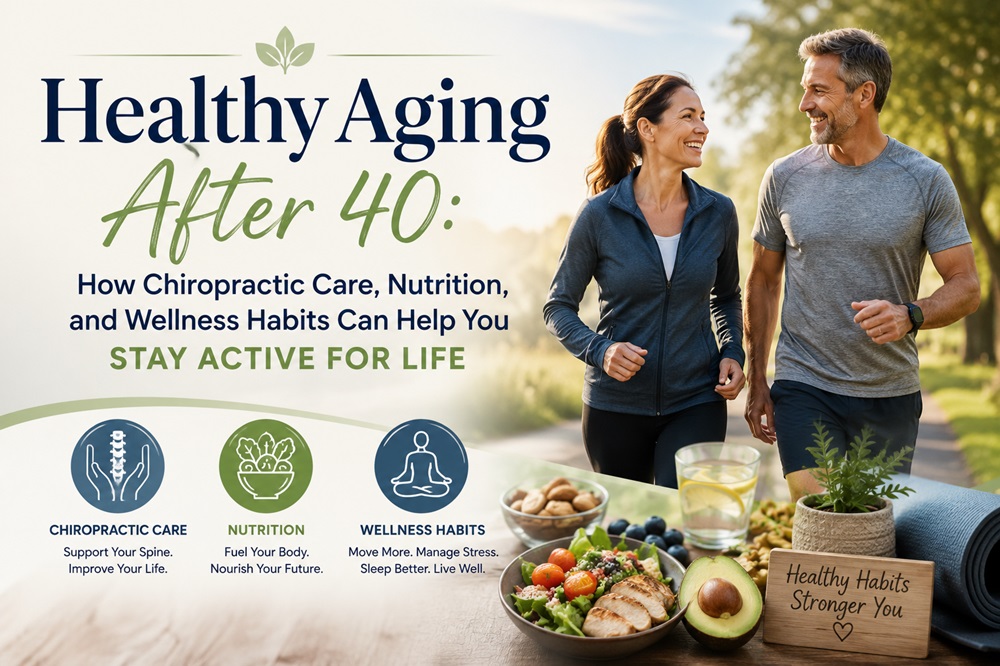
Aging is a natural part of life, but many people assume that declining energy, chronic pain, weight gain, and reduced mobility are unavoidable consequences of getting older. While the body certainly changes over time, many of the challenges associated with aging are influenced by lifestyle choices, physical health, nutrition, and daily habits.
The truth is that growing older does not automatically mean becoming less active. In fact, many individuals are living healthier, more energetic lives well into their 50s, 60s, and beyond by focusing on preventative wellness and making smart health decisions.
Whether your goal is maintaining mobility, managing weight, reducing discomfort, or simply enjoying a higher quality of life, taking a proactive approach to health can make a significant difference.
Why Health Changes Become More Noticeable After 40
Many people begin noticing physical changes as they move through their 40s and beyond.
Common concerns include:
-
- Slower metabolism
- Joint stiffness
- Reduced flexibility
- Back and neck discomfort
- Lower energy levels
- Poor sleep quality
- Longer recovery times
While these issues may become more common with age, they are not always caused by aging itself. In many cases, they result from years of accumulated stress, inactivity, poor posture, unhealthy eating habits, and lifestyle factors.
The good news is that many of these challenges can be improved through healthy lifestyle choices and proper wellness support.
The Importance of Mobility as You Age
Mobility is one of the most valuable aspects of long-term health.
Being able to move comfortably allows people to:
- Exercise regularly
- Participate in hobbies
- Travel
- Play with grandchildren
- Maintain independence
- Perform daily activities with ease
Unfortunately, many adults experience mobility limitations that gradually reduce their activity levels.
When movement becomes uncomfortable, people often become less active. Reduced activity can lead to additional weight gain, muscle weakness, and further mobility challenges.
This cycle can become increasingly difficult to reverse if not addressed early.
How Chiropractic Care Supports Healthy Aging
The spine and nervous system play critical roles in overall physical function.
Poor posture, repetitive movements, injuries, and everyday stress can contribute to spinal misalignments and muscle imbalances that affect mobility and comfort.
Chiropractic care focuses on improving spinal function and supporting proper movement patterns.
Many individuals seek chiropractic care to help manage:
- Back pain
- Neck pain
- Joint discomfort
- Headaches
- Muscle tension
- Postural issues
In addition to reducing discomfort, chiropractic care may help improve flexibility, range of motion, and overall physical function.
For older adults, maintaining movement and mobility can have a significant impact on quality of life.
Why Nutrition Becomes More Important With Age
Nutrition influences nearly every aspect of health.
As metabolism changes over time, the body often becomes less forgiving of poor eating habits. Consuming highly processed foods and excess sugar may contribute to weight gain, inflammation, and reduced energy levels.
Healthy nutrition can support:
- Weight management
- Energy production
- Muscle maintenance
- Recovery
- Immune health
- Cardiovascular wellness
Rather than focusing on restrictive diets, many health professionals recommend developing sustainable eating habits that can be maintained long term.
Small improvements made consistently often produce the best results.
Managing Weight After 40
Many adults discover that maintaining a healthy weight becomes more challenging as they age.
Several factors may contribute to this, including:
- Reduced physical activity
- Loss of muscle mass
- Lifestyle changes
- Stress
- Sleep disruptions
- Dietary habits
Because of these factors, traditional diet plans often fail to produce lasting results.
Sustainable weight management typically requires a more comprehensive approach that includes education, healthy habits, physical activity, and lifestyle improvements.
The goal should not simply be weight loss but creating a healthier body that functions more efficiently over time.
The Role of Red Light Therapy in Wellness
As interest in non-invasive wellness solutions continues to grow, many individuals are exploring therapies that support recovery and overall health.
Red light therapy has become increasingly popular among adults seeking natural wellness options.
This technology uses specific wavelengths of light that interact with the body’s cells and tissues.
Potential wellness benefits may include:
- Improved circulation
- Enhanced recovery support
- Reduced inflammation
- Cellular energy support
- Skin health improvement
Many people appreciate red light therapy because it is comfortable, convenient, and requires no recovery time.
When combined with healthy lifestyle habits, it can become part of a broader wellness strategy.
Strength Matters More Than Most People Realize
Maintaining strength becomes increasingly important with age.
Strong muscles help support:
- Joint stability
- Balance
- Mobility
- Injury prevention
- Everyday activities
Even simple activities such as carrying groceries, climbing stairs, or standing for extended periods become easier when strength is maintained.
Regular movement, resistance training, and healthy nutrition can all contribute to preserving muscle mass and physical function over time.
The Importance of Recovery
Many adults focus heavily on exercise but overlook recovery.
Recovery includes:
- Quality sleep
- Hydration
- Stress management
- Proper nutrition
- Mobility work
Without adequate recovery, the body may struggle to perform at its best.
Prioritizing recovery can improve energy levels, support physical performance, and contribute to overall wellbeing.
Building Healthy Habits That Last
One of the biggest misconceptions about health is that dramatic changes are necessary.
In reality, long-term success often comes from small habits practiced consistently.
Examples include:
- Taking daily walks
- Drinking more water
- Improving posture
- Eating more whole foods
- Sleeping seven to eight hours each night
- Scheduling routine wellness evaluations
These habits may seem simple, but their cumulative impact can be substantial over time.
The key is consistency rather than perfection.
Why Preventative Healthcare Matters
Many people wait until a health problem becomes severe before seeking help.
Preventative healthcare takes a different approach.
Rather than reacting to problems after they develop, preventative wellness focuses on maintaining health before major issues arise.
Benefits of preventative care may include:
- Better mobility
- Improved quality of life
- Reduced risk of injury
- Healthier aging
- Greater independence
- Enhanced overall wellbeing
Investing in preventative wellness today may help individuals enjoy a more active and fulfilling future.
Aging Well Is About More Than Living Longer
Most people want to live longer, but quality of life matters just as much as longevity.
Healthy aging means maintaining the ability to enjoy everyday activities, spend time with loved ones, remain active, and continue doing the things that bring happiness and purpose.
Achieving that goal requires a proactive commitment to wellness.
By focusing on spinal health, nutrition, mobility, physical activity, recovery, and healthy habits, individuals can create a strong foundation for lifelong health.
Final Thoughts
Aging is inevitable, but losing mobility, energy, and vitality doesn’t have to be.
The choices made today can significantly influence health outcomes in the years ahead. Through consistent healthy habits, proper nutrition, chiropractic care, physical activity, and preventative wellness strategies, individuals can continue living active and fulfilling lives at every stage of life.
The journey toward healthy aging starts with small steps, and those steps can lead to meaningful improvements in comfort, confidence, mobility, and overall quality of life for years to come.
Media Contact
Name: Dr. Yvonne Cartwright
Company Name: Cartwright Chiropractic Inc.
Address: 2766 Mack Road, Fairfield, OH 45014, United States.
Phone: (513) 942-2500
Email: yvonne@cartwrightchiropractic.com
Website: www.cartwrightchiropractic.com